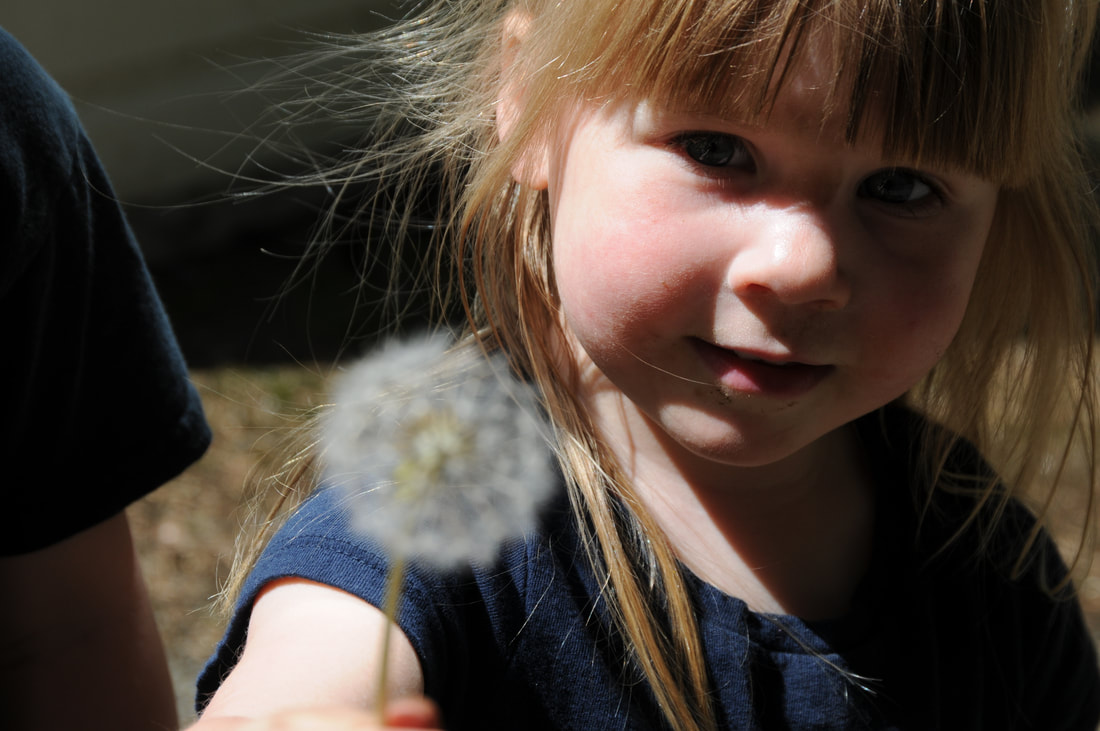
"Sometimes you just have to take the leap, and build your wings on the way down!"
Nature Pedagogy: Through the lens of an Educator
By Lexie Biegun
By Lexie Biegun
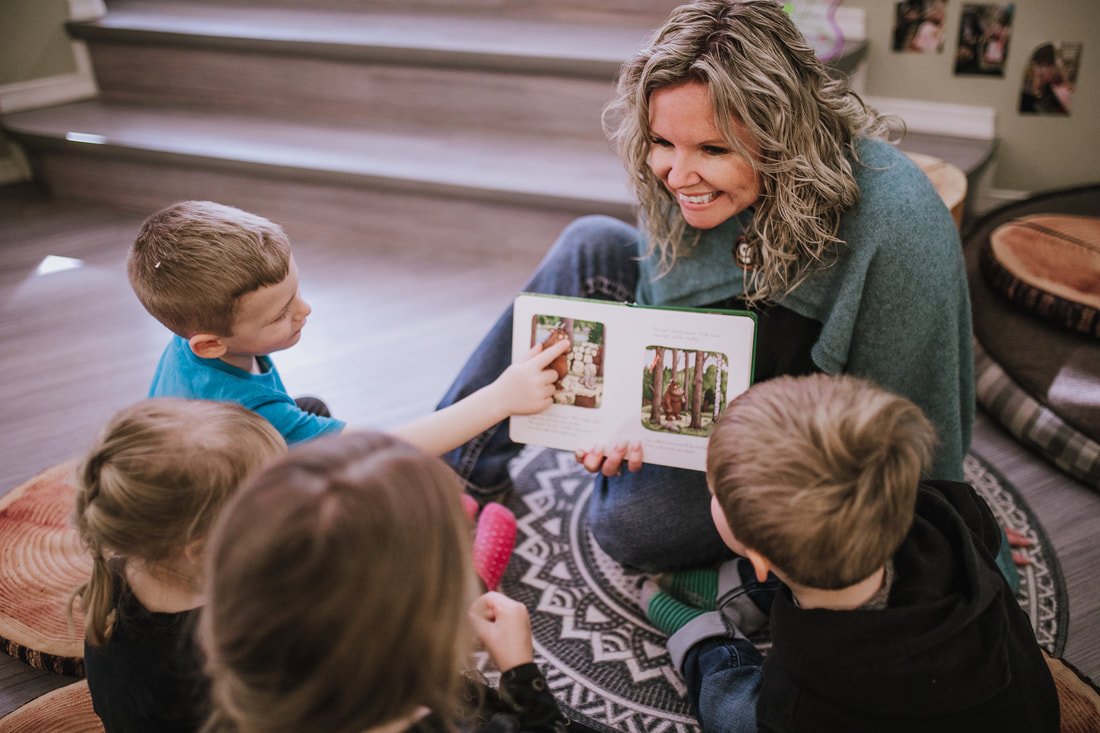
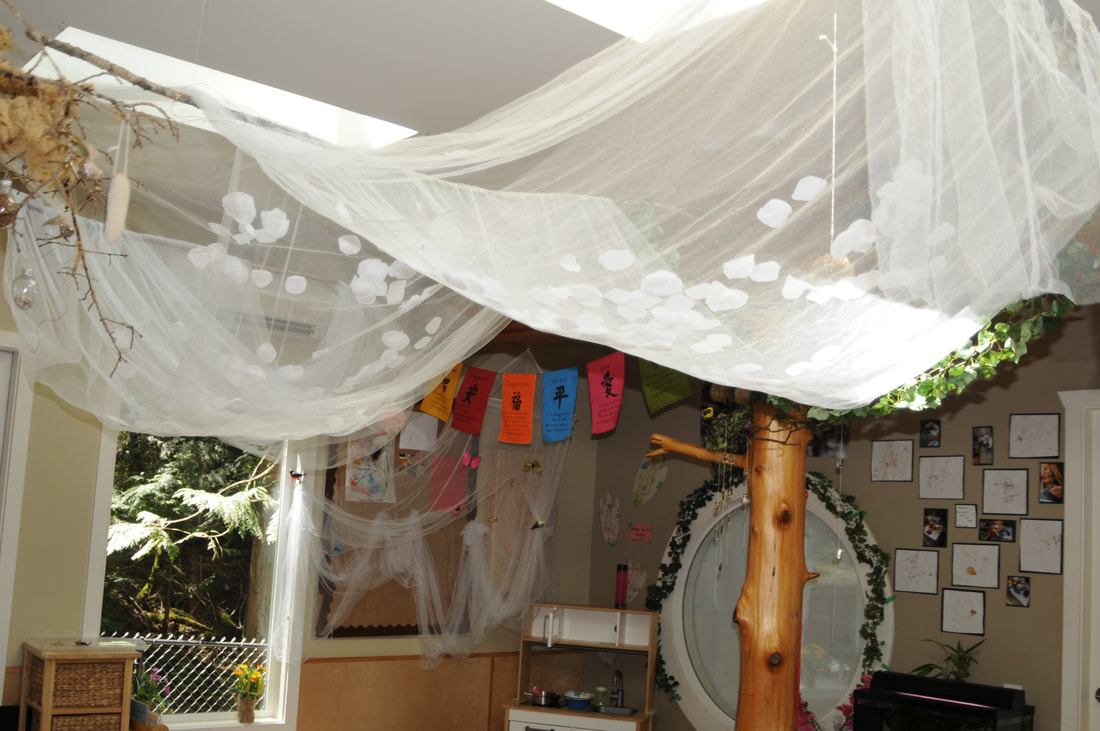
 Recently, I have begun working more closely with Kim Atkinson; a fellow Early Childhood Educator as well as a mentor of mine. We have taken on a few projects together, two of them working as presenters at conferences here in Victoria and Vancouver, and the third as writers.....putting together our thoughts and opinions into an article.
Since 2013, I have been a part of the Community Early Learning and Child Care Facilitators Project: Building Communities of Research and Leadership. This has allowed me to continue my research as an educator while also leading my staff towards a higher level of thinking.... taking risk, engaging in dialogue and challenging their pedagogy. Kim explains the project as so: "This project builds on the foundation of the Investigating Quality and early Learning Framework Implementation Projects. The purpose of the project is to promote the active engagement of early learning and child care practitioners in discussions and actions that can lead to the formation of sustainable and positive care -giving environments. The project aims to create a community of practice by engaging practitioners in collaboratively reflecting upon their knowledge, values, experiences and practices, and exploring the meanings and practices of quality care that will best serve the well being and development of children from diverse backgrounds and settings in British Columbia." As a pedagogical facilitator and a director of a childcare program we have collaborated for over three years. Together with educators in the childcare program we work with the processes of pedagogical narrations to explore new perspectives on quality through critically engaging with different theoretical lenses to challenge the "truths" of early childhood pedagogies. In our presentations, we share how educators in the program are embracing these processes to develop a culture of research, pedagogical leadership and enhanced professional identity to shift understandings of the image of the child, the image of the educator and to re conceptualize quality in the field of early childhood. Although complex and honestly a bit uncomfortable at times, I am finding comfort in this new role and facing my questions head on. I realized a long time ago that my way of teaching, and my beliefs in my practice were a little more (natural and organic) then what the (norm) was offering. Having a beautiful childcare facility in the forest, and having amazing educators that also ask questions and challenge theories helps me realize that there is so much more to learn! As The famous childcare professional and advocate for children;Loris Malaguzzi stated, "We are all researchers, we are all learning people!" As always, this will continue..... thank you for reading. Warmly, Lexie
0 Comments
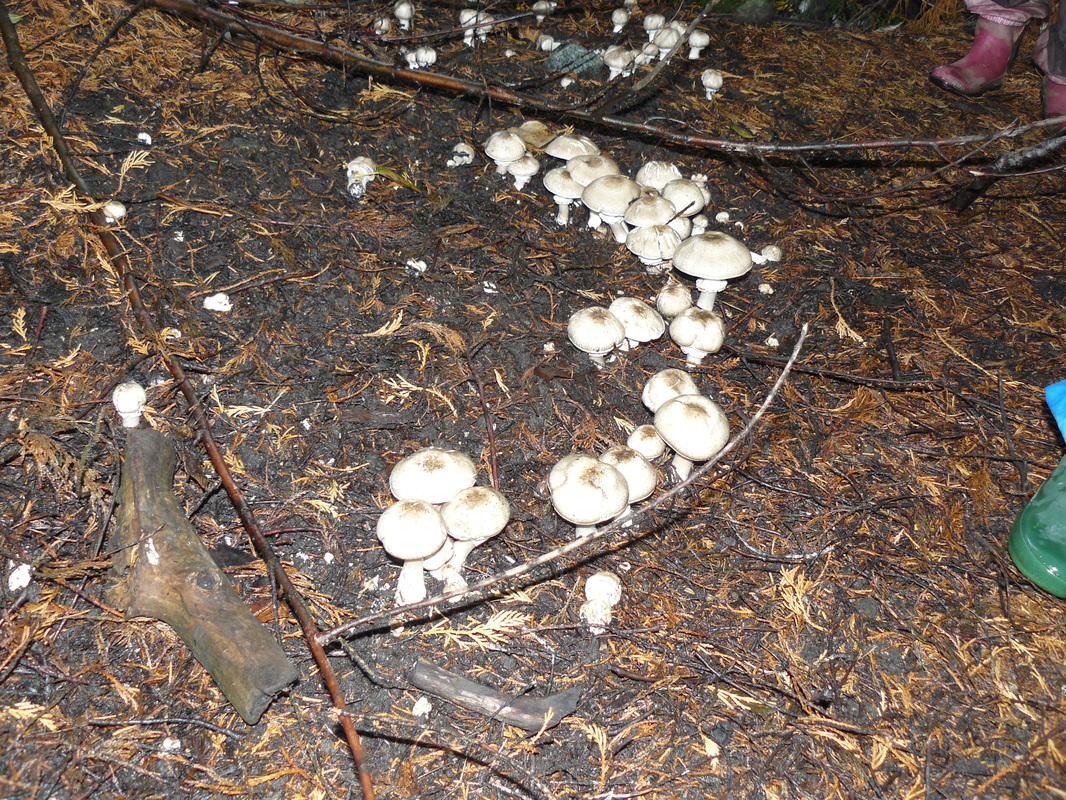
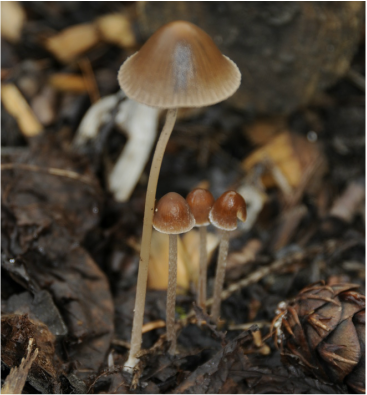
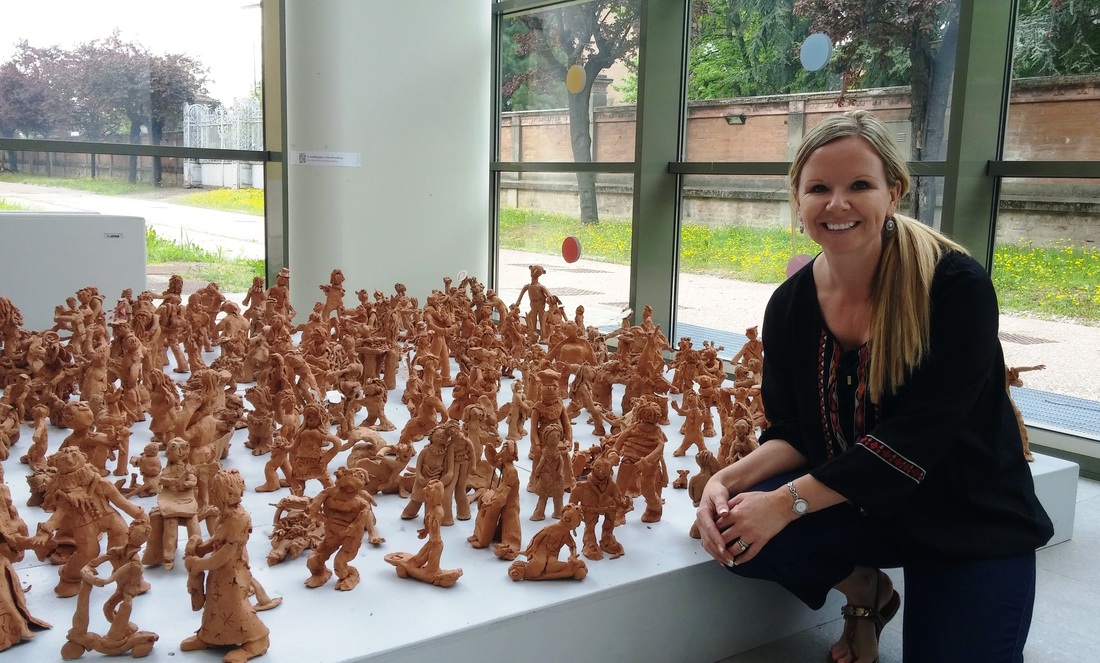 "As I sit here at my desk in my home in Victoria BC, I realize it has been nearly 6 months since I made my way (solo) to Reggio -Emilia, Italy to study the Reggio Philosophy. In those 6 months, I have not even begun to unravel all that I absorbed while visiting this amazing place. Where do I begin? How do I start to describe all that is Reggio? As I flip through my very worn out notebook that I used for the 5 days I was immersed in class study, two words stand out page after page.... COMPETENCE and RIGHTS! The Italians have really taken these two words home... and they believe powerfully that children are very capable human beings. Much more capable than what we seem to believe here in North America, I think. I keep remembering the super high metal outdoor slide I saw at one of the centres I visited. It reminded me of one at my school here in Victoria when I was a small child. (Way higher then allowed by Licensing now days)... and it used to get so hot in the summer! Today, Licensing has strict guidelines around fall distances for each child's age group. (Under 5 feet fall distance for under 5 years, under 3 feet for Infants and Toddlers.) I understand why these rules are in place, but when outdoors in nature, there has to be a grey area here! As a child, we would take turns running indoors at recess and filling up little paper cups of water to pour on the slide, trying to cool it down in any way we could. (with little success) We would fly down that slide at 30 miles an hour, often landing way past the worn out dirt patch which was supposed to stop us at the bottom. Ahhhhh.....I loved that slide! It's funny, I don't remember a teacher ever saying to us, "Don't go down that slide it's too hot, you'll burn your bottom!" We found out for ourselves through trial and error. No one actually left the play ground with third degree burns on their bums! We would take our coats off and slide down on them; find cedar branches and pile them up, we used our brains to figure it out! That's what I think the Italians have remembered over the past 30 years more than we have. Yes, risky play is out there, but it's how children learn. Accidents happen, inevitably someone may get hurt while at play, but bubble wrapping our children, standing over them while they make decisions isn't going to do them any favors! Chances are VERY high, that they won't die sliding down that hot slide! But the chances are extremely higher that they will learn something valuable through that risky play! I broke my arm three times when I was a child. The first time, I fell out of the cherry tree in my back yard. (I think I was 5 years old or so) The second time, I slipped off the trampoline that we had put a sprinkler underneath and covered in dish soap. (I was 6 years old) The last time, I was pretending to be princess Laya (from Star Wars) and Hans Solo was pulling me up by a rope through a climber at school. (Well, he ran out of rope, and I slipped back and broke my arm.) Poor guy, I still remember his face when I returned to school the next day in a cast. I was eight when that happened. Inevitably, my broken arms healed, the casts were removed and I learned to play more "carefully". The point that I am trying to make is that risky play didn't kill me, it taught me my limitations and that I really was able to climb almost to the very top of that tree! It taught me how to slide across and entire trampoline in one giant burst, it taught me to reach for a higher branch, it taught me to climb a rope hand over hand up a climber. Play is necessary for growth, play is how we learn what our bodies can do! I have three children of my own now. Jesse is 11, Jaysun is 9 and Eva is 5. None of them have broken their arms (to date), but they all have taken risks which I have been uncomfortable with. They all LOVE to climb trees, we have a trampoline in our yard which has an enclosure, and they climb everything they shouldn't where ever we go! We now know that trampolines are pretty dangerous (but so fun), and most come with netted enclosures now. (removing an element of risk) Some may say that I should "watch them more closely" or that I shouldn't allow them to climb the trees near the school because it gives other children bad ideas! I say, "Let them play! Let them learn.. let them discover for themselves what it feels like to be alive!" I did....as a kid, and I am so thankful I was allowed to do so! Moreover, I have some pretty awesome scars to prove it! Thanks for reading! 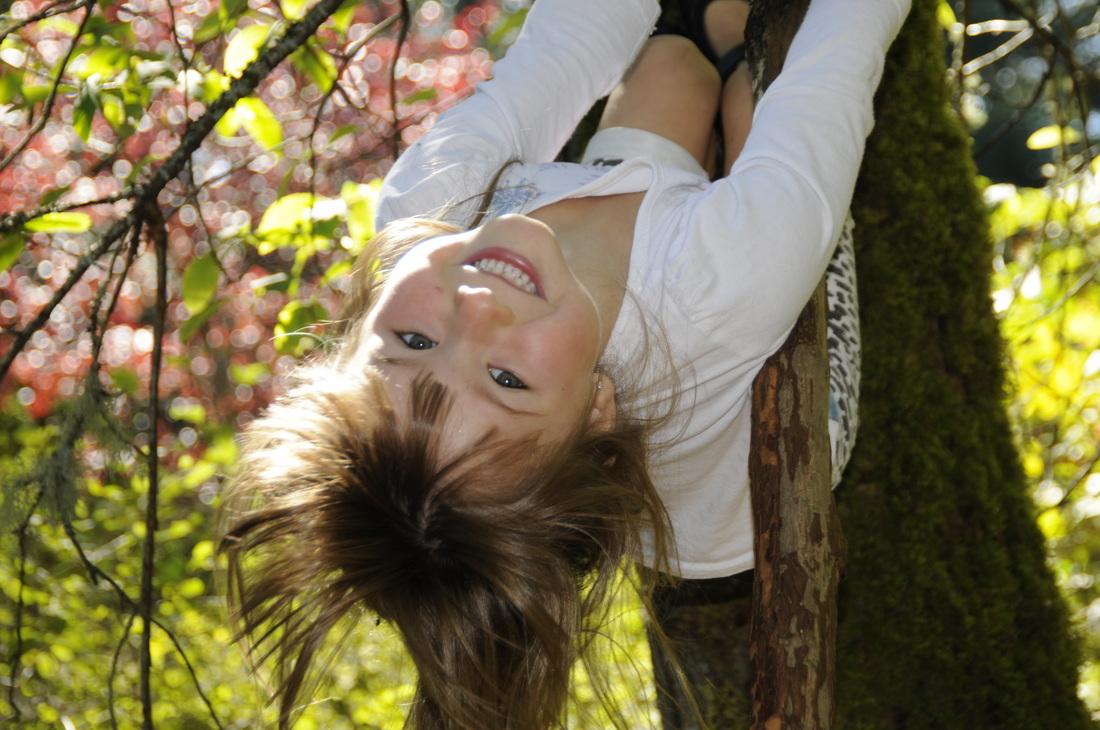 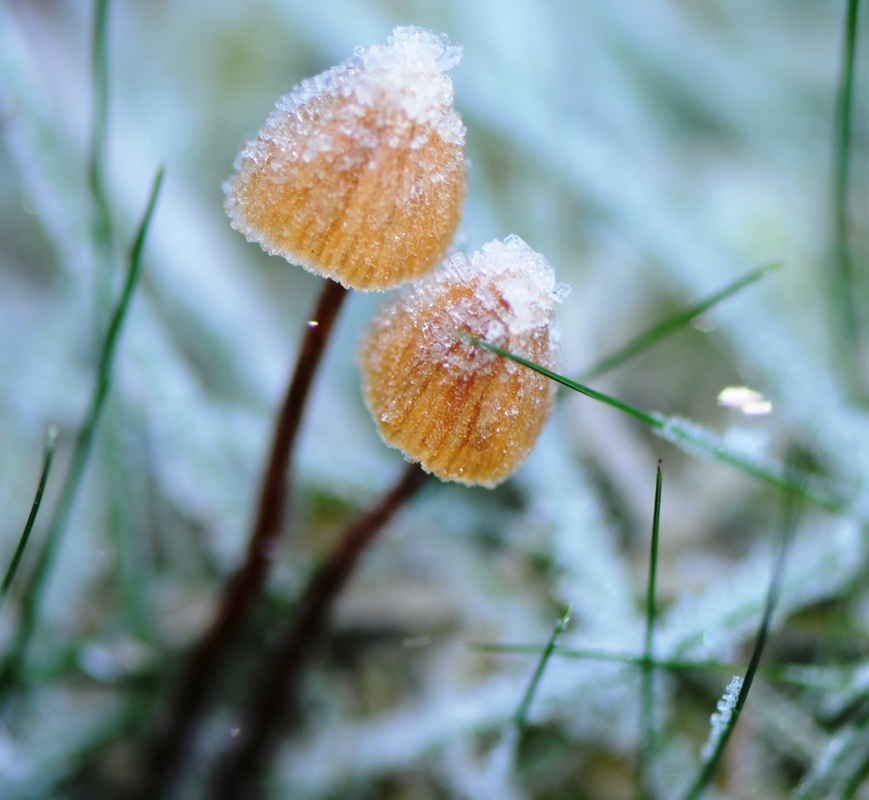 I am absolutely a lover of mushrooms... all mushrooms! I think they are totally fascinating, and beautiful and mysterious. Recently in my centres we have decided to not allow the children to touch the mushrooms which grow in abundance on our 2 acre property. You might be thinking, "Of course, you don't allow children to touch mushrooms, they're deadly poisonous!" But we do allow it, well did. We took a vote.... there were 10 of us sitting at the table when we decided to discuss our feelings on mushrooms. They truly are remarkable... wondrous and fantastic... but is the risk simply too high? In a licensed childcare setting such as mine, I grapple daily with the upper hand of VIHA and the practicing educators who really know and trust the children in their care. I have to weigh the costs and the what-if's of every situation.... it's not easy. We had an expert (horticulturist) come walk through our 2 acre property and identify the plants, berries, leaves and bushes that could be harmful and are poisonous to touch or eat. She didn't know a lot about mushrooms, but her recommendations were pretty clear to stay away when in doubt. Some of the educators felt very strongly that they could trust the children around the mushrooms.... as they have come to respect their presence..... "The children know they are there, and they know not to touch them." one educator commented. The debate continues.... I feel at this time, until I can properly identify them myself, that leaving them alone is the safest bet for our program. Also, photographing them is still a hobby of mine, so it is really great when I find them full and juicy and bursting with splendor. Thanks for reading, Lexie
Considering methods of practise.....from ONE "Nature Loving-Educators" perspective in BC......2/12/2016 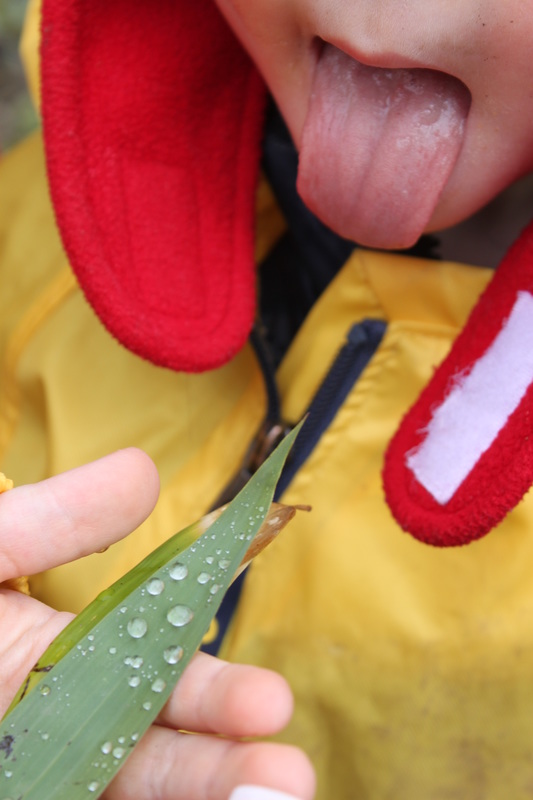 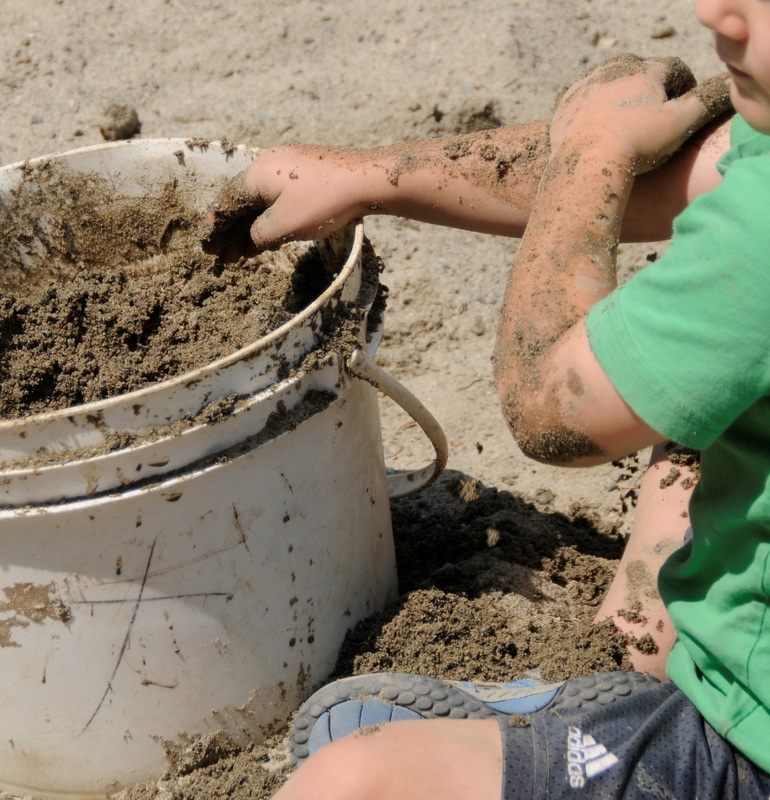 In Victoria, BC "Nature daycares" seemed to pop up out of no where in the past few years! Everyone's claiming to be a "Nature Daycare" it seems. But what exactly is a nature daycare? I don't have an answer....Sadly, nothing can stop any human being from opening up a new centre and calling it anything they might seem fit, or "pro-fit-able"! (Nature -Academy, Nature -Montessori, Nature- Reggio-style) This can make finding the right fit very difficult for parents! (and pretty frustrating when you start to see what these centres really look like... and ......."what exactly is their method of practise?" When I explored "Nature Daycare" on my computer, I came across many centres which to me, don't LOOK like my vision of WHAT a nature- program might look like. I could be wrong... but I am now in my 20th year of practise, and I feel strongly about what "Nature daycare" truly means... but.... at this time, it's only a MISS-used name, not a method of practise. Currently, we as educators are advocating for a higher standard of quality care. Challenging VIHA (Vancouver Island Health Authorities) is probably one of the best places to start questioning this (Nature-Naming).... disaster. From what I understand about a parents expectations on this subject, I feel that I can safely say, that a nature daycare may include the following elements: A large (natural) outdoor space to explore and form common-bonds with non-human species (moss, mushrooms, trees, insects, animals etc), free of brightly painted metal climbers but in a natural setting. (a forest, beach or ocean, a pasture, garden or natural park etc) An indoor learning environment that supports each child's right to beautiful things, natural materials, (including light and objects), real-world situations, and child-led inquiries. A place to grow food and learn through hands-on practise in a (real-working) garden. Children should have real tools to work with, real shovels to dig with and educators surrounding them to encourage and support their (work) Documentation of their work displayed on the walls, photography of the children in the centre (doing) this work, books to encourage a deeper understanding, magnifying glasses to take a closer look at things, adults eager to find out the answers. A child-led inquiry based program. Naturally made toys, garments, wools, craft materials, paints, papers, brushes readily available indoors for the children to use. Quality items which reflect the value we have for our children. This post is my opinion of what I believe a nature daycare may look like here in beautiful Victoria, British Columbia. Since we are comparing methods of practise, I will include a little run-down of what I know about some popular philosophies and methods of childcare..... Firstly let's start with the Montessori Method. Founded in the early 1900's by Dr. Maria Montessori, this method of practise is very popular in Victoria. The fees are generally higher than most other programs as it is a (Private-school) program, where the students arrive in uniforms and the educators greet the children with a hand shake. The pre-school program consists of many different skill building activities ranging from fine-motor skills (poking little pieces of carpet with tiny push pins while following the lines of a shape, to polishing silver-ware. (yes, the still do this) The lessons are pre-written (by Maria Montessori in the early 1900's) and the educators follow them to a T. (Their play is considered their "work" in school). The lessons are based on life-skills that children practise over and over again. (setting the tables, watering plants, folding dish cloths etc) The educators are to watch and observe with out interfering in the child's work. There is little instruction on what to do, they are encouraged to just "do".. The environment is pre-set, allowing the children around 3 hours to do the activities set up over and over again. They encourage independence. The schools are multi-aged allowing the older children and younger ones to be together in the same "working" environment. The educators are trained specifically in the Montessori method and any "new strategies or spontaneity" are not encouraged. The Montessori Method is proud to have a "zero-competition" practise. I couldn't find out much on the time the children spend outdoors our anything on their play grounds. Most of the programs for children under 5 years old are 3 - 4 hour long programs. (there are some full day programs as well) The Waldorf Schools are an alternative form of education for families in BC, although not as easy to find. We have one in the Cowichan Valley I believe, but there are none in Victoria that I know of.It is very much a Private-school program with monthly/yearly fees. The Waldorf schools founded by Rudolph Steiner look at the world through an anthroposophical view and understanding of the human being: that is a being of body, soul and spirit. Typically the schools are set up very beautifully, using lots of natural objects, textiles and wools, and the use of colour and natural light when ever possible. The schools follow a curriculum completely different than the public schools, and an even greater focus is on the artistic elements, encouraging music, song, dance, rhythm and movement. The schools start at the pre-school age and go all the way through high school. Children who attend Waldorf schools are encouraged to build an understanding for different subjects out of what is most beautiful in the world! The educators encourage fantasy, imagination and (in the younger grades) may use gnome-like creatures to help children make sense of their world..... (so I'm told.) From what I understand, there is little adult supervision while the children are outdoors at play, and the children are encouraged to "work things out" between themselves. Often a child will have the same teacher for many, many years in a row. (some from Kindergarten through until High school) This is called "looping". The use of any media for learning purposes (modern technology)is strictly prohibited in the classrooms and discouraged in the home after school hours as well...... the idea is to remain as holistic as possible at all times. The Reggio Emilia philosophy was founded by teacher Loris Malaguzzi in war torn Reggio-Emilia, Italy in the early 1970's. It is here, where the towns people (women mostly) re-built their bombed city, brick by brick by starting with a school for their children in the very middle of their city. Loris Malaguzzi ( a very young teacher at the time) wanted the children's interests to guide the curricula. He believed that children must have endless ways and endless opportunities to express themselves however they wanted. "A child has a hundred languages" ...he taught us. Great attention is given to the look and feel of the classrooms (also referred to as the third teacher) through colour, plants, light, photographs and art work.The educators document the children's "work" through narrations (pedigogical), documentation, audio-tape, video and photography. The children's work is then displayed to make the children's learning visible. Projects are not planned in advance, but emerge based on the interests of the children. The children form relationships with the other children, their environment and the materials that surround them, through touching, moving, listening to by observing them. The families, educators and children work collaboratively with an emergent curriculum, following the lead of the child and expanding on the children's interests. Children are acknowledged as beautiful, powerful, competent, creative, curious beings full of potential and ambitious desire! Learning in the Reggio- way is not regarded as a linear process, but as a spiralling progression, always building, always moving in many directions.(wherever the child's thoughts and curiosity may take them!) Time is not set by the clock on the wall in the Reggio classroom. There is always (time) to finish a game, paint a picture, continue with a project they are intently focused on. The Reggio-Emilia approach to early childhood education reflects a theoretical kinship with John Dewey, Jean Piaget, Vygotsky and Jerome Bruner, among others. ***There are no ACTUAL Reggio-Emilia schools here in BC simply because you can not duplicate that-which is ITALY..... we do however use term like, Reggio-inspired, Reggio Influenced and following a Reggio-style philosophy. Forest schools exist mostly in the UK (including Denmark, Switzerland and Norway), but they are very different than our "nature" schools here in BC. A couple of years ago, the Sooke School District introduced Canada's first Nature- Kindergarten to the public school system. The children spend the first half of their day outside wandering and exploring the forests of Royal Roads University, and the last part of their day in the classroom. Not all of the Forest schools in the above countries have an indoor space. The children simply eat, sleep and play in their outdoor environment daily. The philosophies behind the forest school program are based on the child's primitive desires to be outdoors in nature. The benefits of being outdoors in nature are extensive. Health benefits that arise from an environment that challenges physical ability, including fine and gross motor skills. Developing a deep respect and love for nature. Developing a sense of self, increasing confidence in one's abilities, sharing new adventures daily with peers and educators.Although, research is still being documented, studies are showing that children with diverse abilities, such as ADHD and Autism, are finding the outdoor classroom much more calming with the lack of four walls, sound is less over-whelming to their often sensitive ears. Authentic Nature daycares are much different all together here in Canada. You can take an 8 month Forest school training program in Ontario which will then allow you to use the title of an accredited Forest School, but I know of zero schools in BC or educators that actually have this training. I use the term "nature-Immersion" to describe the programs I offer. Immersing the children in nature, allowing them the time and the freedom to explore their surroundings is what I am a strong advocate for. If you watch the Forest school utube videos, you can see that alot of the activities the children are doing in the program we do as well here in BC. (Teaching the children to use a knife has yet to be explored, and at this time VIHA does not allow us to have open fires with children.... (I am hoping to challenge these things) as both are life-skills I feel that can be taught and learned safely. The educators are dressed appropriately and so are the children which is key to a successful day in the elements! Typically, the children are outside more than they are inside. That's what we strive for. In our weather system, unfortunately the rain can get the better of us, and our rain gear (muddy-buddies) often are still drenched by our afternoon outdoor play, despite our greatest efforts in drying them! As well, Lexie's Little Bears is the ONLY Infant/Toddler Nature-Immersion program in Victoria (that I know of to date) so we are paving the way to what (nature-daycare) might look like here in BC! Providing an indoor space that mimics the outdoors is also a key factor in nature-immersion. In our centres, there is very little plastic.... period. We avoid plastics as much as possible. You will however, find a lot of wood, natural light, comfy spaces to sit and relax, smells of herbs or essential oils in the diffusers, real plants, hand made toys and relaxing music...... The cubby area is located outdoors on the front porch, to help keep the centre clean. An additional room with a large heater is used for the days the muddy-buddies just won't dry on their own! In my opinion, taking all the really great elements from all the different philosophies and methods and combining them into a (best of the best) program is what parents are asking for..... a little taste of everything great..... Having a garden readily available to grow vegetables and flowers, feeding the wild birds with our feeders, exploring the natural materials we find outdoors, opening up communication about what the children are interested in, and documenting everything with photography..... that's what I am striving for in our daily practise!! If anything, I feel that I can proudly say, that I am always learning and growing as an educator. I have much to do yet..... In April I will be travelling to Reggio-Emilia Italy to practise under a work study in the renowned Loris Malaguzzi International school. I have so much to learn..... What will this new perspective bring to my centres here in BC? How will this challenge my beliefs, my practise, my views on children and quality of care? Will this change my thoughts on who I am in the lives of children? What is my current image of a competent child, and will this image change? What are the differences/similarities that they practise in Italy compared to Canada? ......... and how can I possibly absorb as much as possible in my short stay? This will be continued...... As always, thank you for reading, Lexie *** "Trust our children- they are not only our future, they are our present." ~Carlina Rinaldi 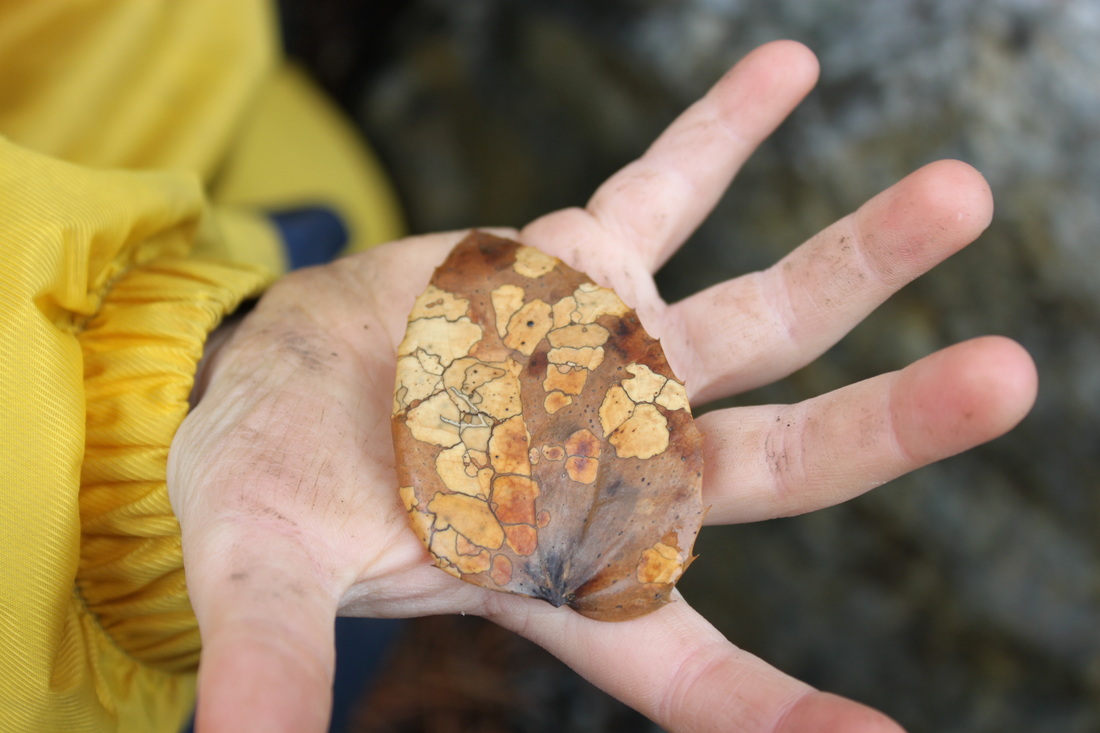  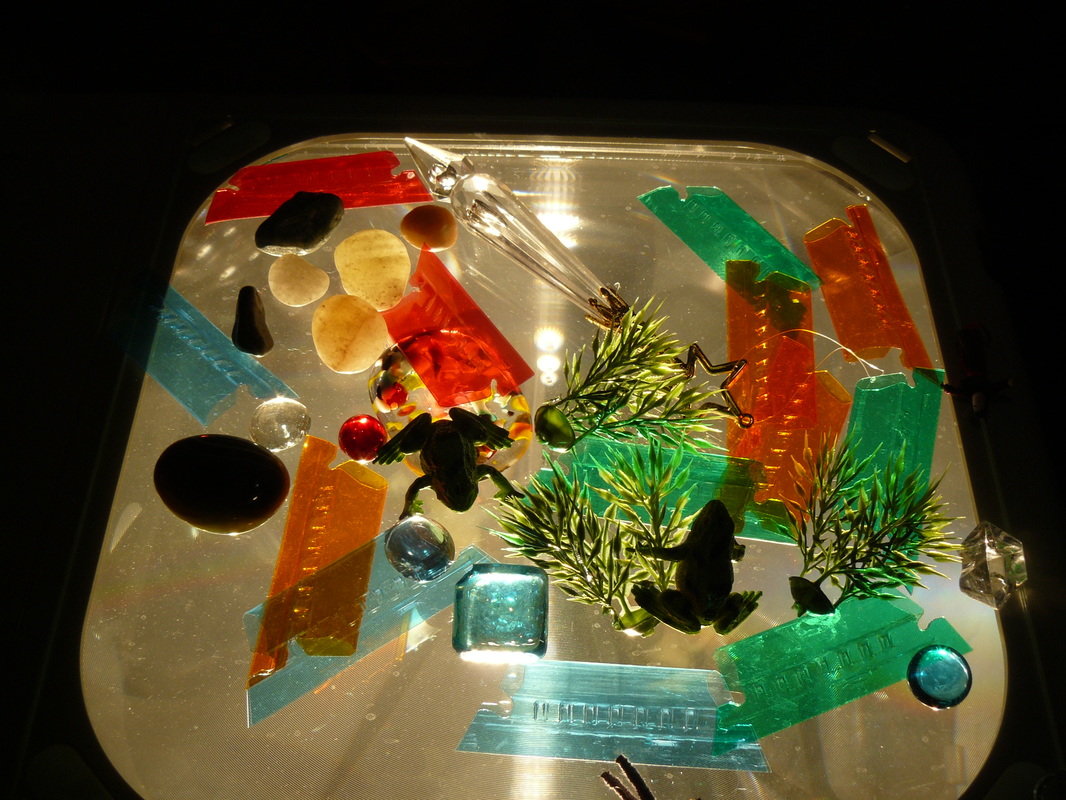 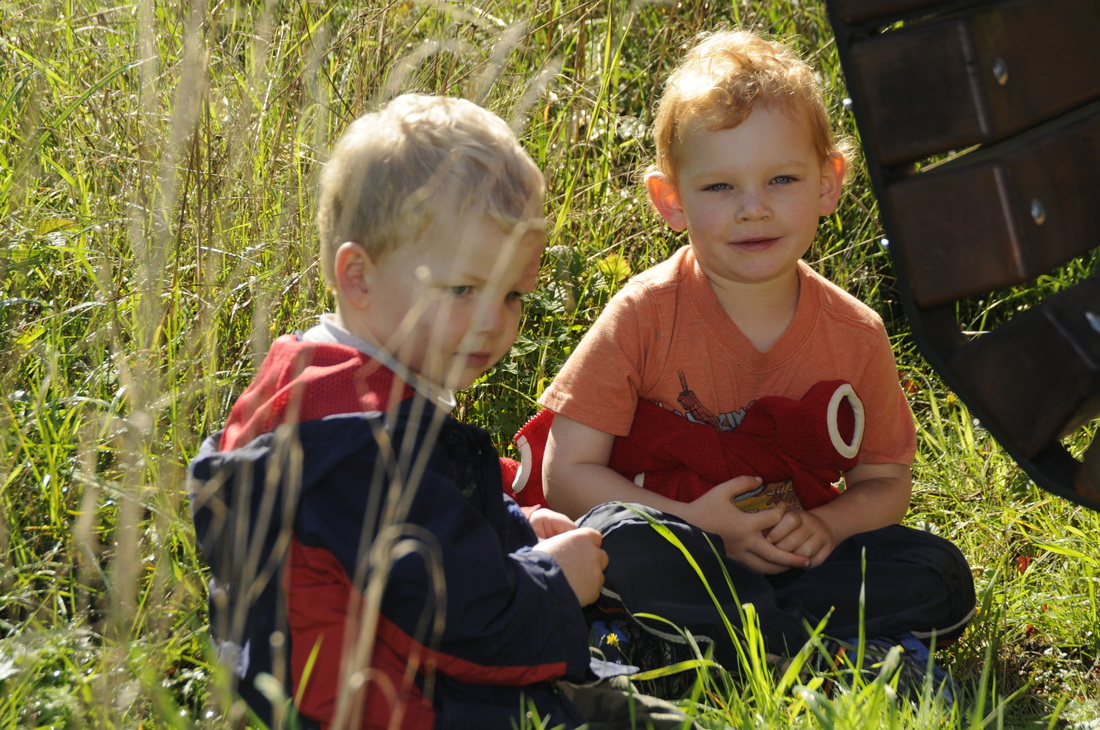 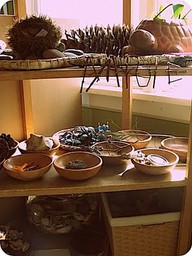 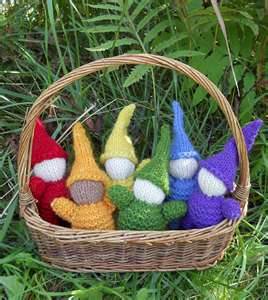 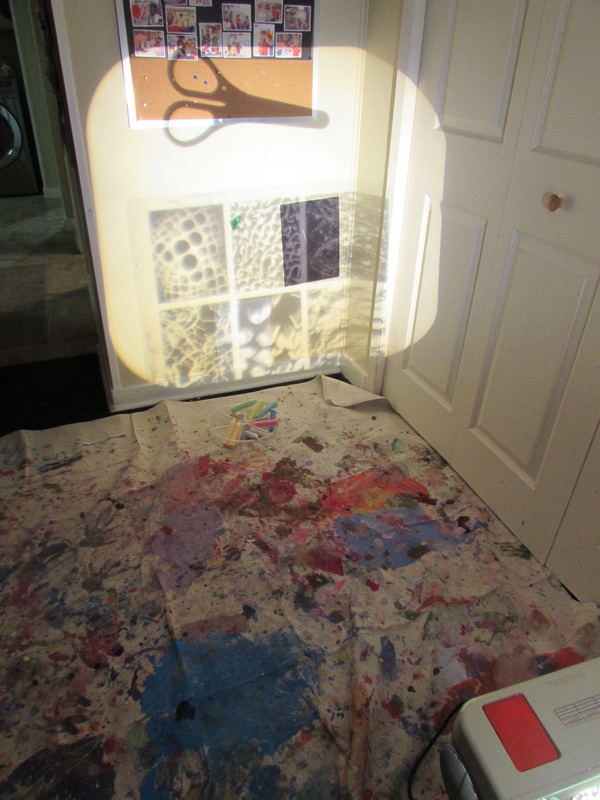 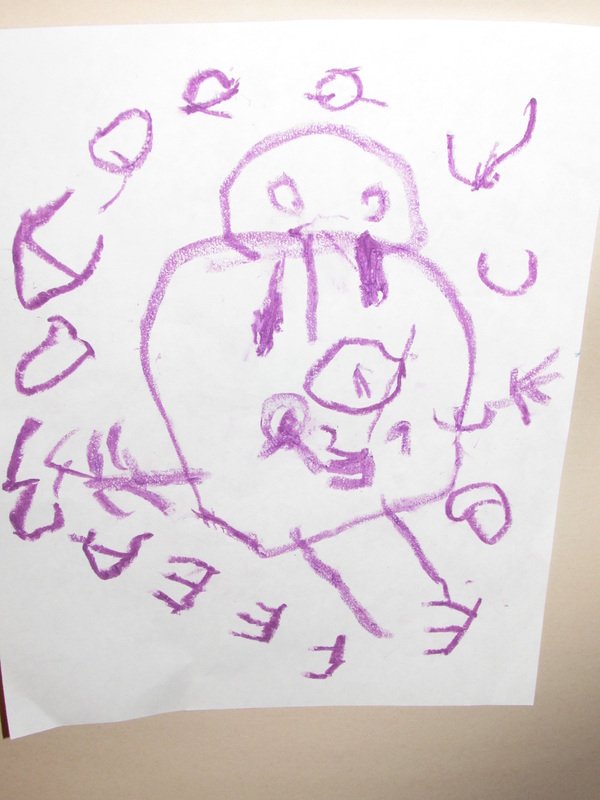 This beautiful photo is of one of our educators who was pregnant at the time. The children engaged in a hands-on activity to cast a plaster mold over her belly, and then drew pictures of her afterwards..... 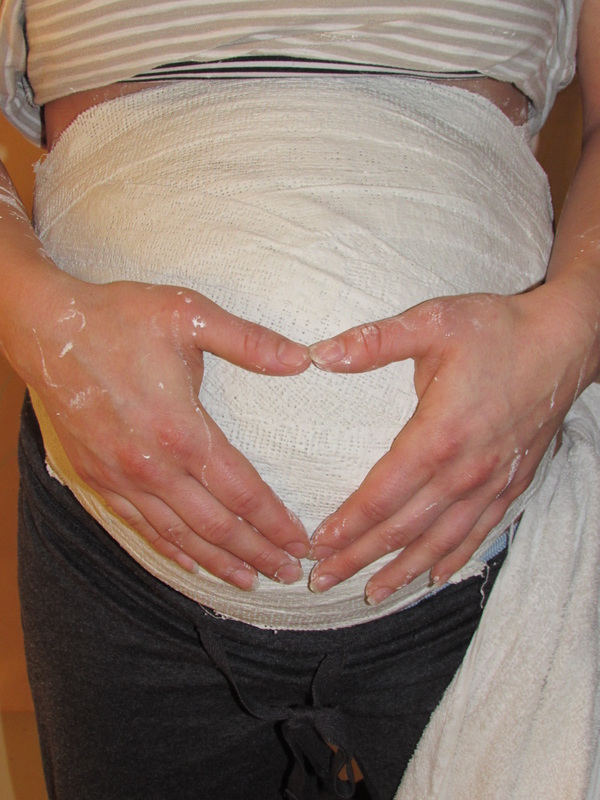 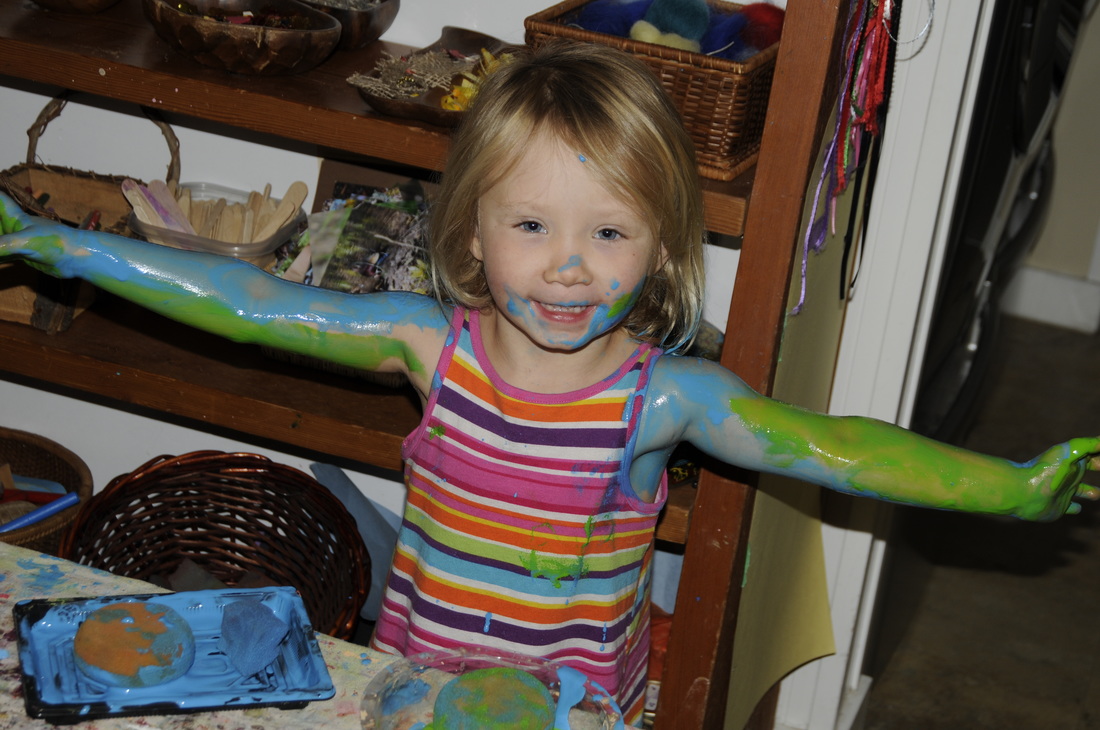 For the LOVE of paint! Allowing children the freedom to learn and explore through touch!
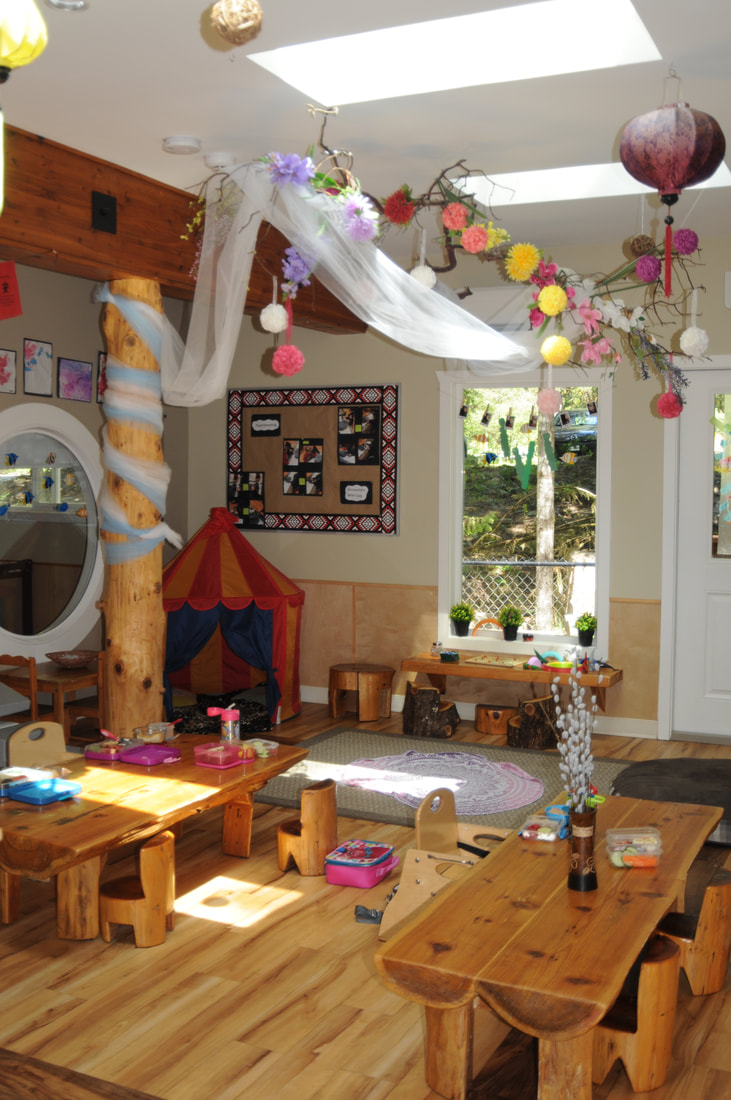
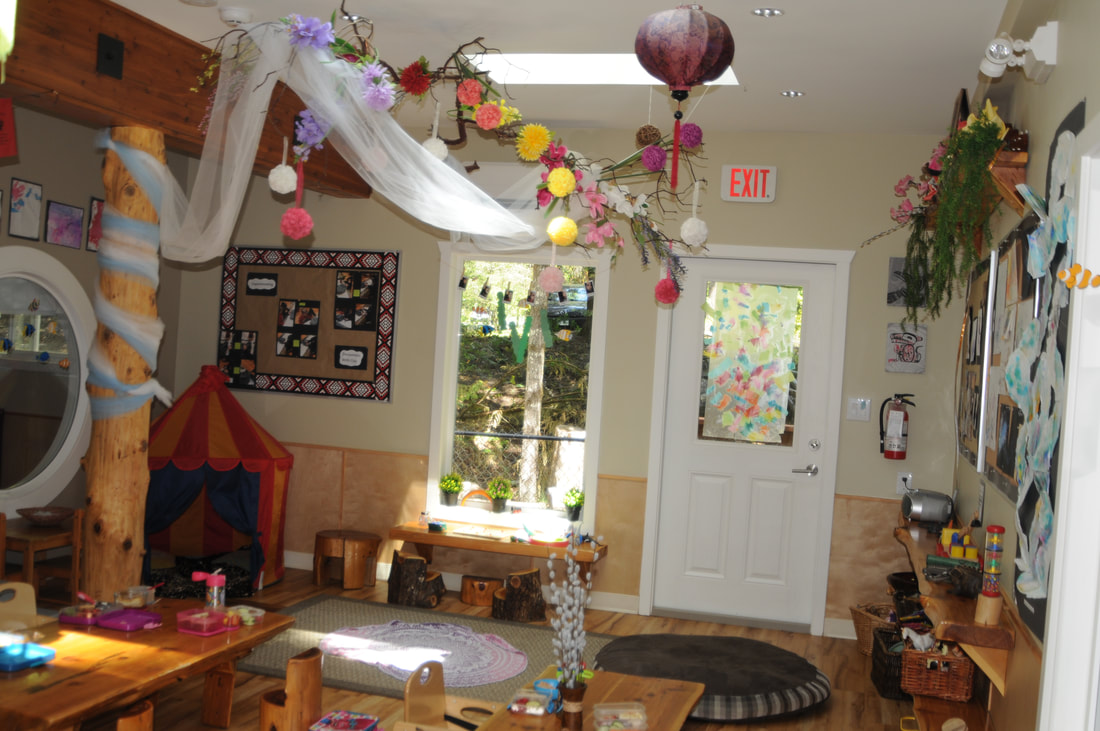
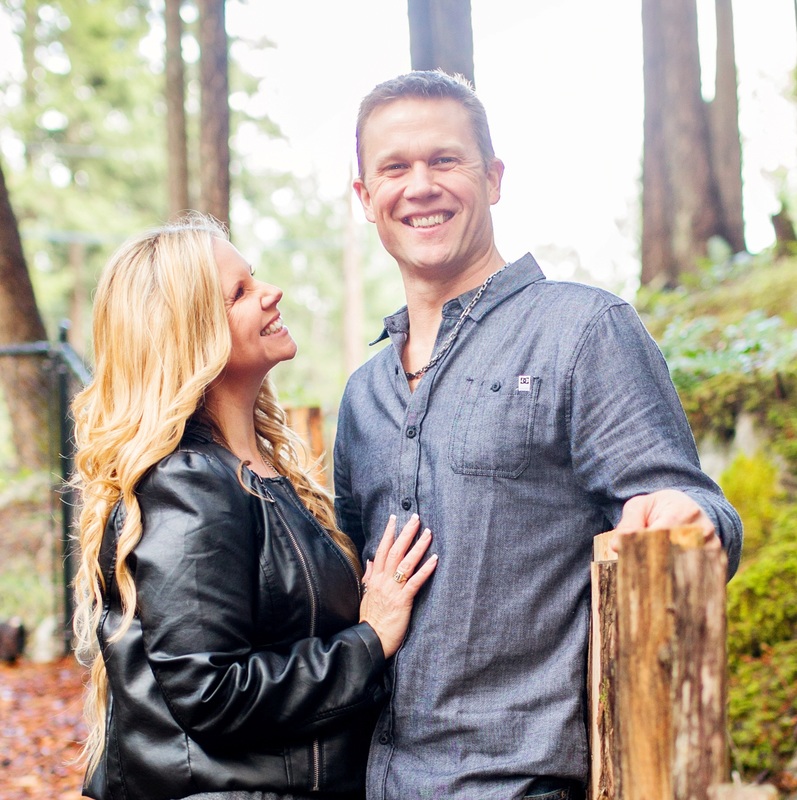 This is me, and this is my husband Derek. Next year will mark our 10 year wedding anniversary. We are proud to say, we have an (almost) 11 year old son, and 8 year old son and a daughter who is 4 (and 3/4's). Together, we have built 4 daycare centres....and I think they all rock in their own way! Derek pushes me .... he pushes me harder than anyone has ever pushed me.... ever! To be clear, not physically in any way; he hears my goals, he understands my vision and he encourages me to follow through, even when it seems impossible to do so. Derek is my biggest fan, and my rock. We have always said that the daycare "business" is a great one to be in.... children keep getting made, and spaces for them are always going to be in need. With the demand so high, also come expectations for quality. Daycares open and close around us without much notice. You only hear of the "bad"ones on the 5 o'clock news when something goes horribly wrong.... it always makes me breathe a deep breath when I hear of the terrible things that make the news..... "Your children are in my hands. Their safety rests on my shoulders.... they MUST be kept safe at all cost..... at all cost.".... my mantra.... my life.....my responsibility. The responsibility of a caregiver is huge...it's monstrous.... we are there to protect your precious little child no matter what. The responsibility of owning daycare centres... is beyond huge.... it's infinitely huge! I am responsible for the children of more than 100 families at any given time......wow...( breathe.... take a big ....big breath in, ........and slowly exhale....) Building environments that are extremely safe for them has become my practise........ and that's not to say that children need to be bubble wrapped, and given helmets while playing outdoors.... (sometimes I truly wish I could, but that wouldn't be very good practise)..... and for those toddlers learning to walk who (AIR-TRIP) constantly....I want to inform you that I have given great thought to you as well! Quite simply, I have just eliminated VIHA's list of hazards (High climbers, poor-staffing, broken materials, sharp objects etc.) It's not that hard to do, you just have to know what to look for. In 2014 we opened our Infant/Toddler program at Little Bears. This was the biggest project for us to date! Designing and building a safe, natural space for 16 infants and toddlers was a big task! I'm being very honest when I say, I could not have done it without Derek. What I want, he builds.... usually that is.... (with lots and lots and lots of negotiating along the way!).... and many compromises too....for both parties... but we rock as a team now. To build a safe indoor environment for this age group, we had to literally and physically start on our knees and work our way up. Sky lights were installed because babies and toddlers spend a lot of time on the floor looking up! A small toilet was installed to promote self-help skills when toileting. The window sills are low enough that they can see out of every window. A Giant circle window was put in the wall which divides the sleep room and the main room to allow children to feel safe at all times. A anti-slam arm was put on the doors to allow for little fingers that may find their way into the cracks. Two small refrigerators were added so that the children could help themselves when they were hungry or wanted water. Outdoor cubbies were made so that excess dirt and sand would not be tracked onto the floors which these small people crawl on all day! We installed a generator to back up lighting and water in case of a power outage. (Super scary stuff when you're little)The furniture was hand made using the wood from our own property. Each chair was hand cut, sanded and waxed individually to fit under the small legs of toddlers. I feel so proud of this special centre, I could go on and on......... really... just ask me in person what we actually did for 3 years while building this centre! What I guess I'm trying to point out, is this is my LIFE.... these centres, these children.... everything you see and feel when you drive up the drive way is made with love by me. "I could be very wrong....but I don't think there are a lot of centres that could say the same thing about their facilities. I have nothing bad to say about any other daycares or pre-schools. each one is special and unique in their own way! Many of them are amazing, and there are many loving, educated caregivers out there as well! My advise to families searching for care, is to just go have a visit, and listen to your "mommy -gut" Maybe ask yourself these questions: "Will my child be safe here?" "Is the space made for the age of my child?" "Is this a way for the caregiver to just make money, or are they truly invested in my child?" "Is the physical facility clean, and the toys in good repair?" "Is the space warm, inviting and beautiful? "Is my mommy-gut telling me anything's off?"......... trust in your mommy-gut, it will rarely steer you wrong! My three children have all attended my centres since they were small. sadly, my youngest daughter was already too old to be a part of our new Infant/Toddler building when it was complete. It makes me smile to see my kids running around in the 2 acre forest that surrounds Little Bears.... they have grown up here.... we built this for them to love..... we built this for ALL children to enjoy!...... they deserve beauty.... we all do. I am often reminded how very lucky we are to live here on beautiful Vancouver Island. Our children are so privileged just to be here, surrounded in tall cedar trees and breathing fresh air. The Highlands are particularly beautiful, the perfect place to raise little humans who love being in nature! I love my Little Bears...... In light...... " One touch of Nature makes the whole world kin."~ W. Shakespeare Thanks for reading..... 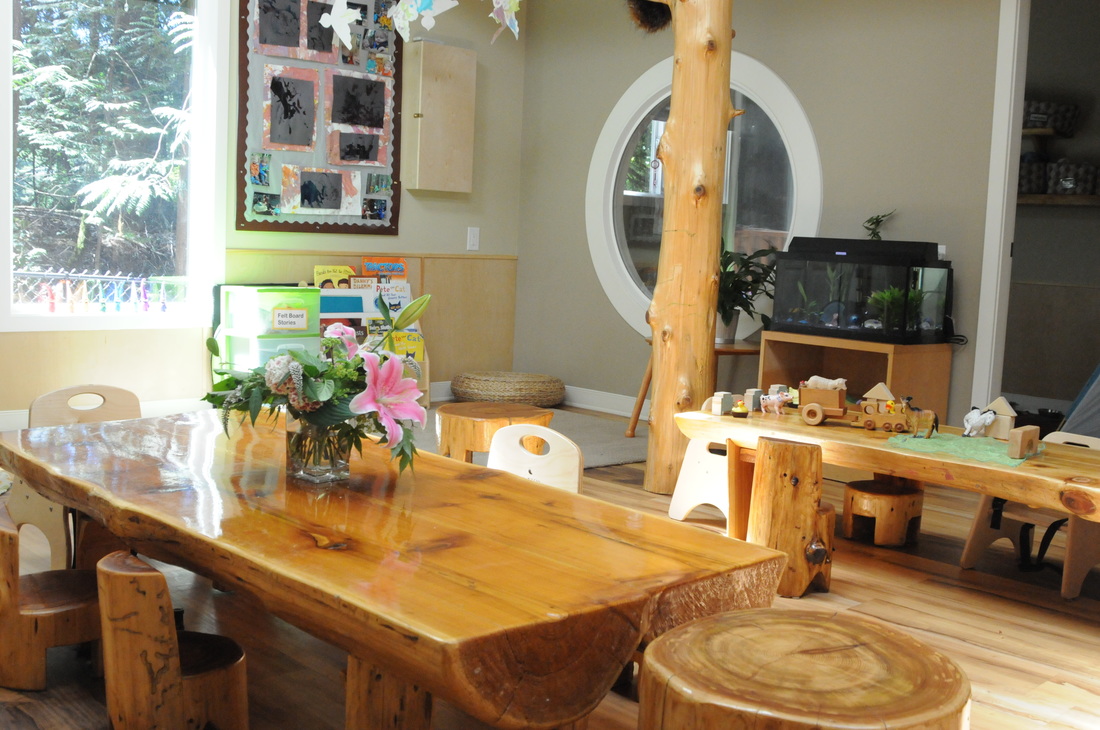 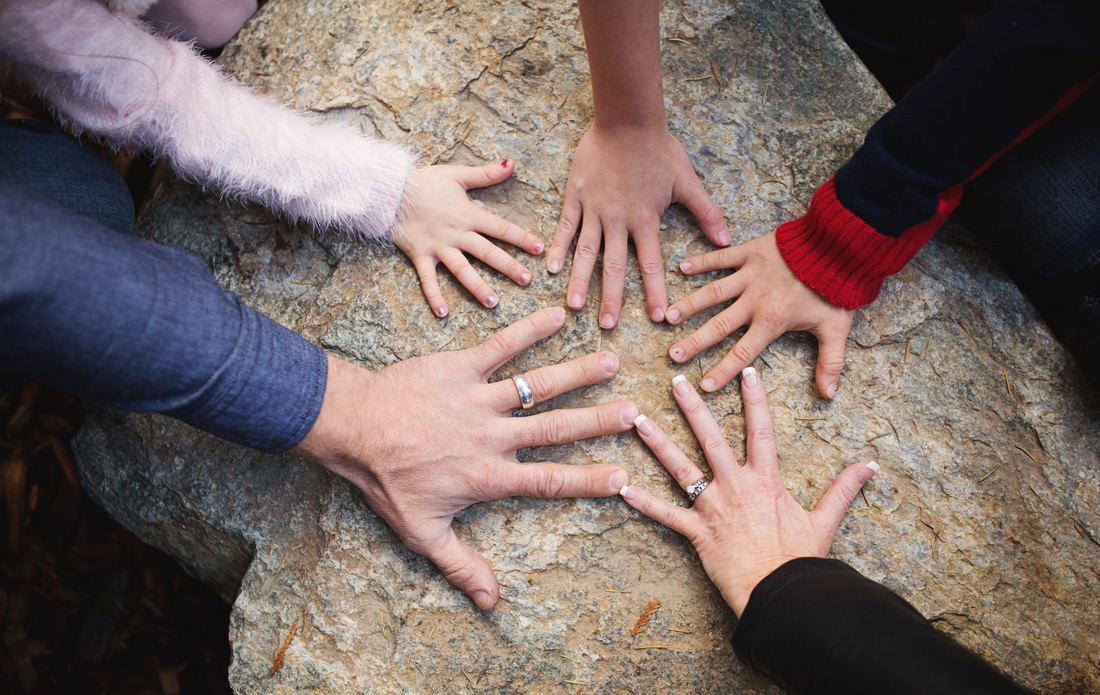 "love your tribe, love them deeply."
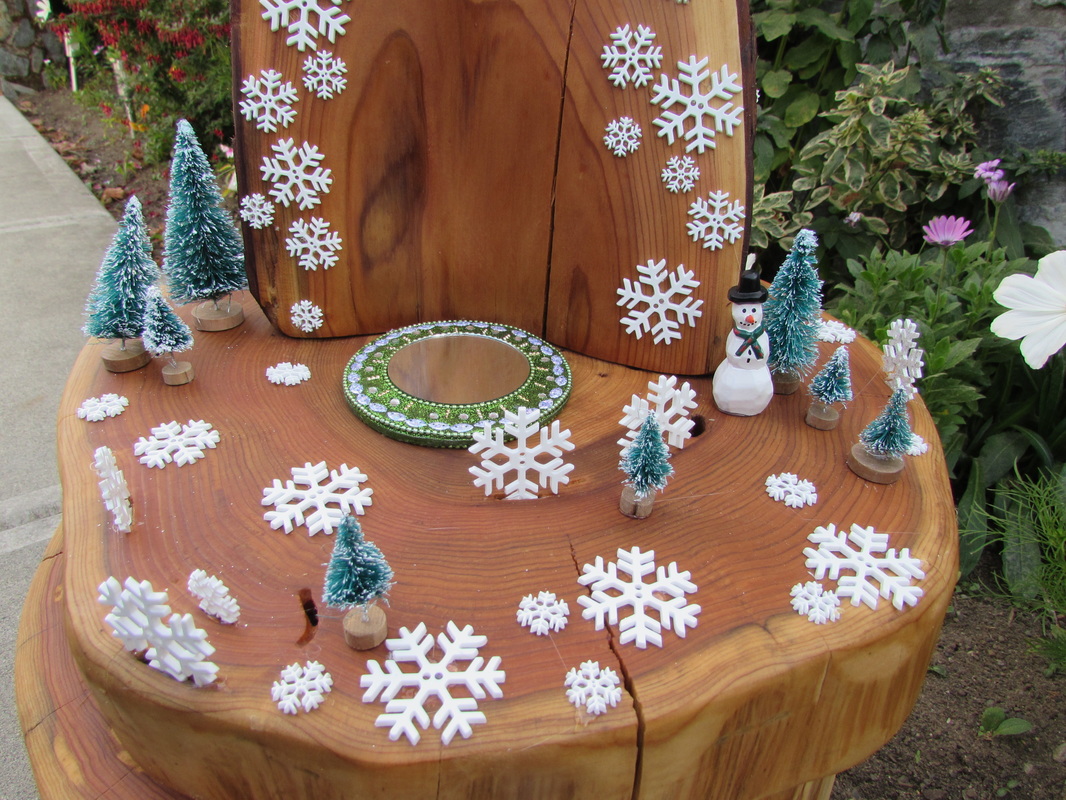 Okay,I may ruffle a few feathers with this, but what the hay! It's my space to talk, and if you would like to comment, please feel free... I used to buy "quality" items for my daycares at garage sales all the time..... quality, meaning brand name Discovery Toys, Little Tykes, Preschool, Little People etc. My daycare had everything you could buy with a Discovery Toys or Little Tykes name on it.... I'm not joking! I was that person who was first to arrive for that AMAZING-DEAL "brand name" $5.00 stroller, kitchen set, vacuum cleaner, shopping cart, puzzle, truck, you name it! I knew the value of these items to purchase brand new from Toys R Us or Walmart, and I did my homework.... these were gold to me! My husband, Derek said something to me (about 10 years ago now ) that really made me stop and think.... "You know, when this stuff breaks, I can't fix it.".... huh? Break? I thought.... this stuff never breaks! It lasts forever!.... but....no, nothing lasts forever, especially toys, I thought; it does break, and when it does... it takes up a monstrous amount of space in the land fill. What have I done? What can I do? That day,I made a concious choice to stop buying plastics... for my daycares and for my own children. At least, I can sell, give away, and re-purpose the stuff that I already had.... most of the big toys I donated to my sons teacher at school. (I had no idea that they receive virtually zero dollars to buy things for their classrooms!).. these were "quality" Discovery Toys items which I paid quite a bit of money for..... it made me feel better to give them away.... but I still wasn't (Helping) the plastic-toy problem..... they still would inevitably end up in the land fill.... I realized. But what I could do, is look at my own purchasing habits and change them drastically. This is what I started to practise: 1. Stop buying Dollar store toys. 2. Stop buying Goody bags for Birthday parties 3.Stop buying Christmas stocking stuffers that were not quality items 4.Stop buying ALL plastic toys from Garage sales, UsedVictoria etc. 5. Any gifts I bought for family and friends were plastic free 6. I asked family and friends NOT to buy my family anything plastic 7. I am careful at the grocery store with food packages; can I find the same items in bulk? 8. I re-use my grocery bags, or ask for paper. That's it. pretty basic stuff, and easy to practise........ The next step was making the things I wanted to buy for my daycares and children out of natural materials like wood, felt and wool. Having a daughter who was very interested in the movie Frozen got my mind in motion. I wanted to restrain from buying any of that cheap plastic Disney merchandise that they were shovelling at us constantly through commercials and flyers! With some newly fallen trees and some wood working skills ready to put to use, I put the sander on high and began to build my own rendition of Elsa's ice castle.... and even Elsa and Anna dolls too! (Photos above and below) They did the trick... and I was pretty pleased with my efforts! (I will confess, that the snow flakes are plastic, I couldn't find any made of wood for this project, but I did consciously buy them for this piece, knowing full well that they would be used and LOVED wisely for this castle).... I'm okay with it... there's got to be a little give here and there... It's a start.... 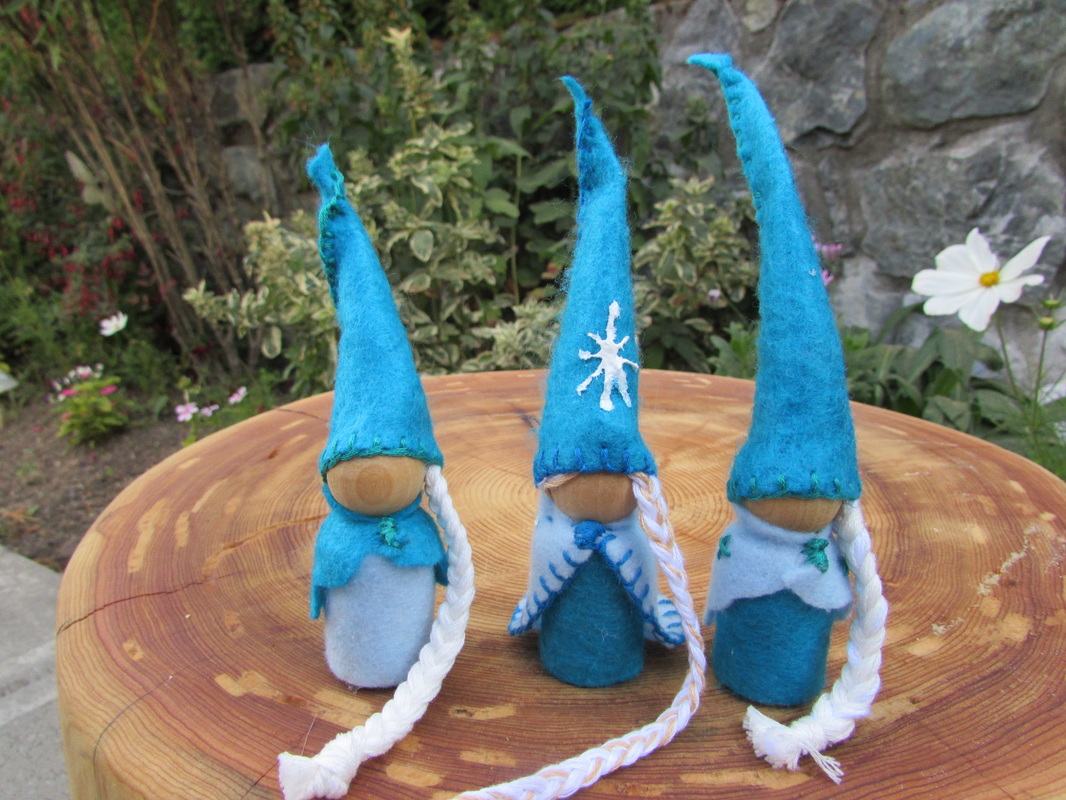 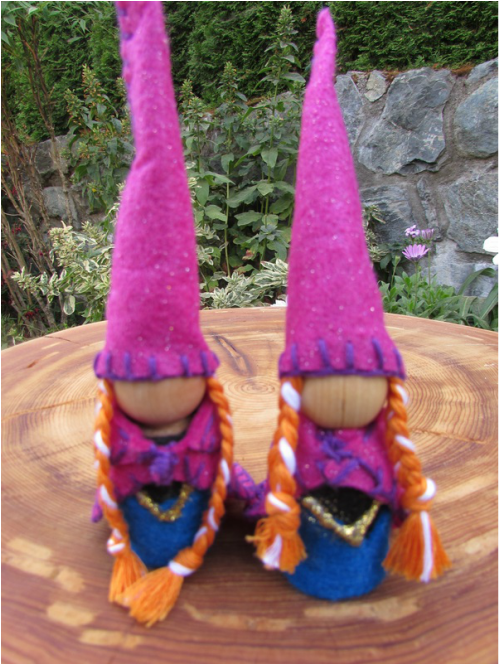 I realize that there are going to be things that come up for me in the future when it comes to my children wanting specific toys... like Barbies, and ponies etc... I get it... I have already started to feel the panic from my daughter when I say, "No, It's made of plastic, it won't last." to something she really wants. But at least I'm making the choice to buy an item with her, and educating her at the same time... I hope. I've done my best..... ther is probably only a hand full of plastic toys in any of my centres at this time.... that's amazing to me, considering what I used to have. (and they were NOT thrown away; but donated and sold...yes) Some of them are awesome, and they have years of life left in them... they can stay..... I've let it go..... My husband made a comment just the other day about how he rarely makes trips to the dump any more.... at least, it's a small step in the right direction.... sorry Disney........ we love your movies!!!... But as for your "STUFF"..... We are done...... 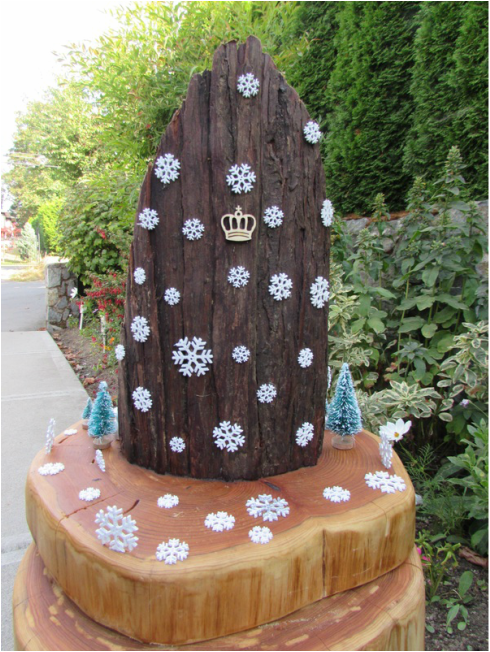 This is the back of the Ice castle... it was carved off a stump, then sanded and waxed using a natural beeswax/mineral oil solution.....
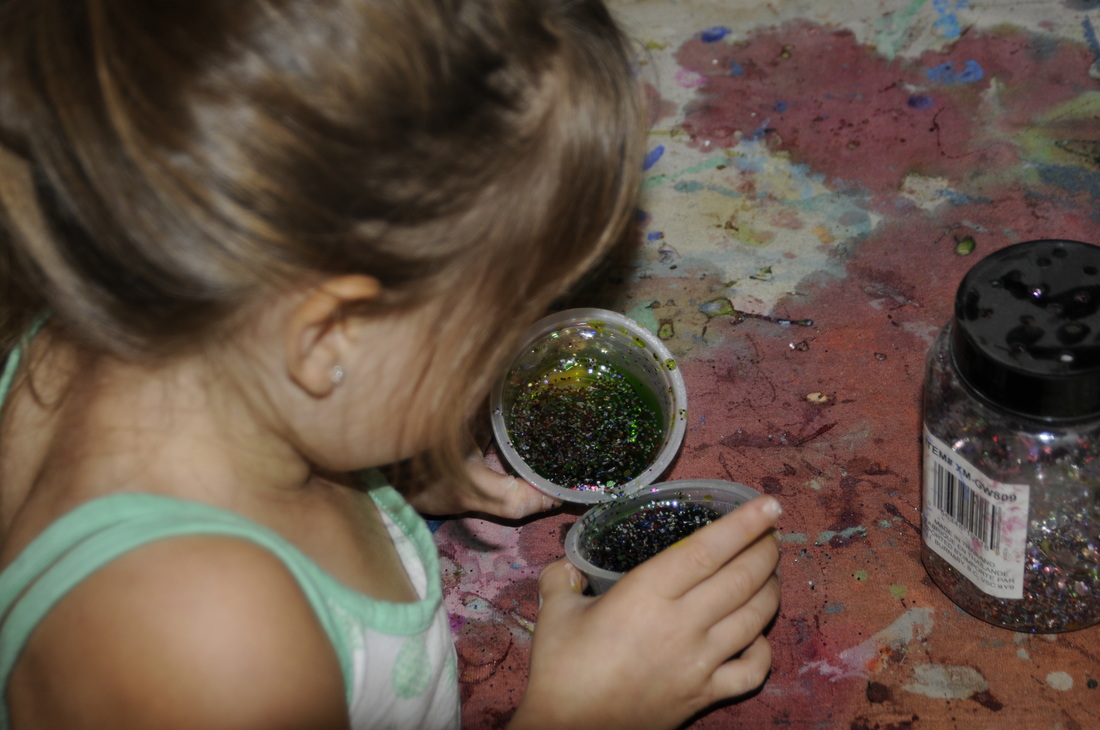 I actually still have one of these..."art pieces" from when I attended pre-school.... that''s definitely dating me... but for what's it's worth... I think it's still edible (if boiled -of course). It still looks exactly the same as the day I made it (I presume) since I don't actually remember making it, but it is still in tact with my name hand written (by the teacher) on a piece of masking tape wrapped snugly around the part where a knot was tied in red wool. I used to make these necklaces with my students all the time...... they loved to string the hard pasta with coloured yarn and give them as gifts to their mom's and dad's at the end of the day.... we even strung our Christmas trees with them! I used to BUY the pasta, at Thrifty's when it went on sale... two giant packs for three bucks! SOLD! Instant art session... right? About 5 years back, I started to struggle with ethics in my practise..... Wasting things became a big issue with me........ Pasta, rice, lentils, water... all commonly used (without much thought) in a pre-school environment for art, in sensory bins, water tables etc.... and then tossed without much thought! Using FOOD as ART materials really started to bother me... and for good reason. Children are starving in our world! Not only in Africa, or South East Asia, but here! In Victoria, in our own province in our own back yard! How could I justify spending three dollars on dried pasta for art, when this is actual food that could feed a hungry family! I began to question my pedagogy.... how could I possibly make a difference? Slowly, I realized that it wasn't so hard to make a difference within my own setting! I simply need not buy rice for the sensory bins, or fill the water table with water. I started using materials found abundant in nature.... organic materials like sticks and dried moss, and dirt. What I realized is that children didn't care what was in these special bins for them to "play" with, they didn't care what it was! They responded to MY reactions... "Hey friends... look what"s growing in the sensory bin!", "Pine cones!" Choosing not to fill our "water-table" with water has become common-practise in our nature daycare.... we have wooden blocks, felted gnomes,legos, buttons and so many other tactile things to use.... why use water when it's not absolutely necessary? I guess, I'm trying to subliminally "educate" our children to make less waste , and preserve our water storage..... I'm not sure if they truly understand this yet... but perhaps down the road they may come across my blog and put 2 and 2 together.... until then.... sorry families, pine cone bird feeders, beeswax blocks and popsicle stick frames will be coming home this month... I don't think parents really miss these child built necklaces.... buttons have the same effect I feel.... don't get me wrong.... I still have a hard time passing by the 2 for 3 bucks sales on pasta... now I just buy it, and save it for our Christmas food hamper..... pasta necklaces taste better with a full tummy, not an empty one. Thanks for reading. Lexie 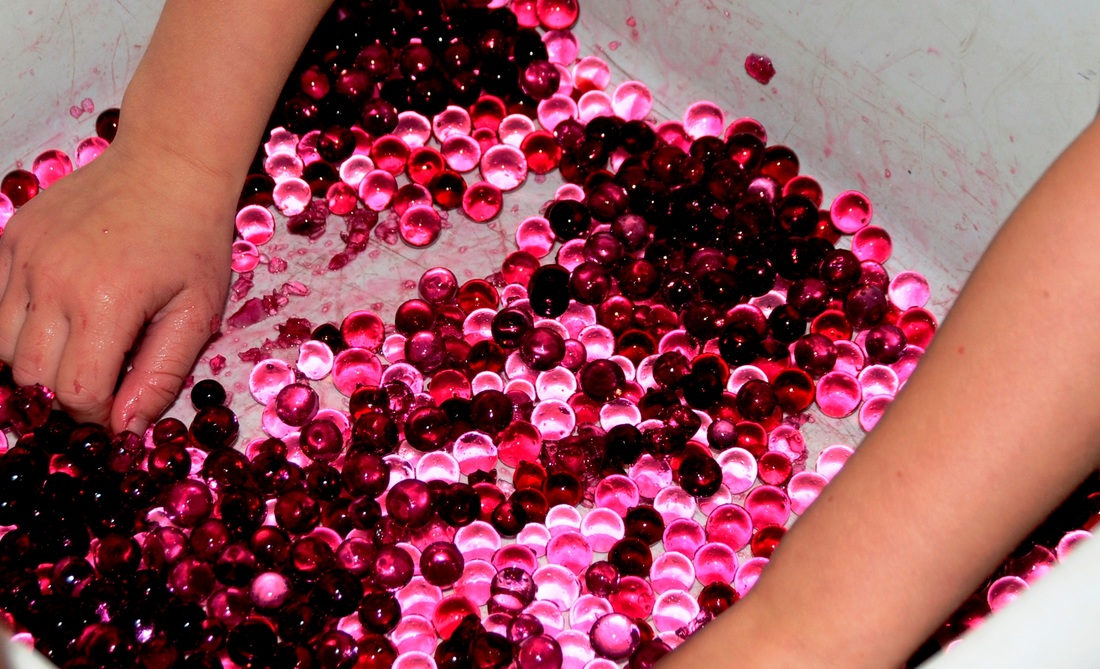 Using water beads as a tactile experience.... Ethical?... who benefits from this? 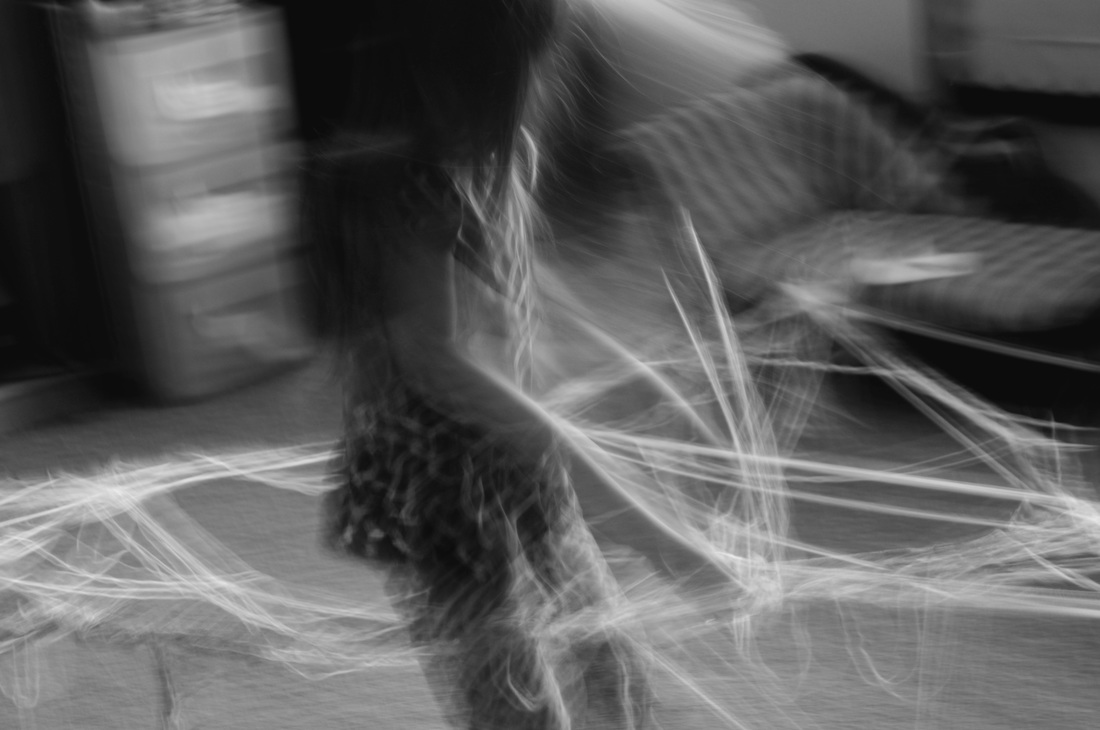 Using re-purposed yarn for musical interpretation.... what else could we do with this material?..... should all materials with multi-purposes be donated to those less fortunate?........... How do we teach our children ethically about waste, re-using , recycling, re-purposing?.....
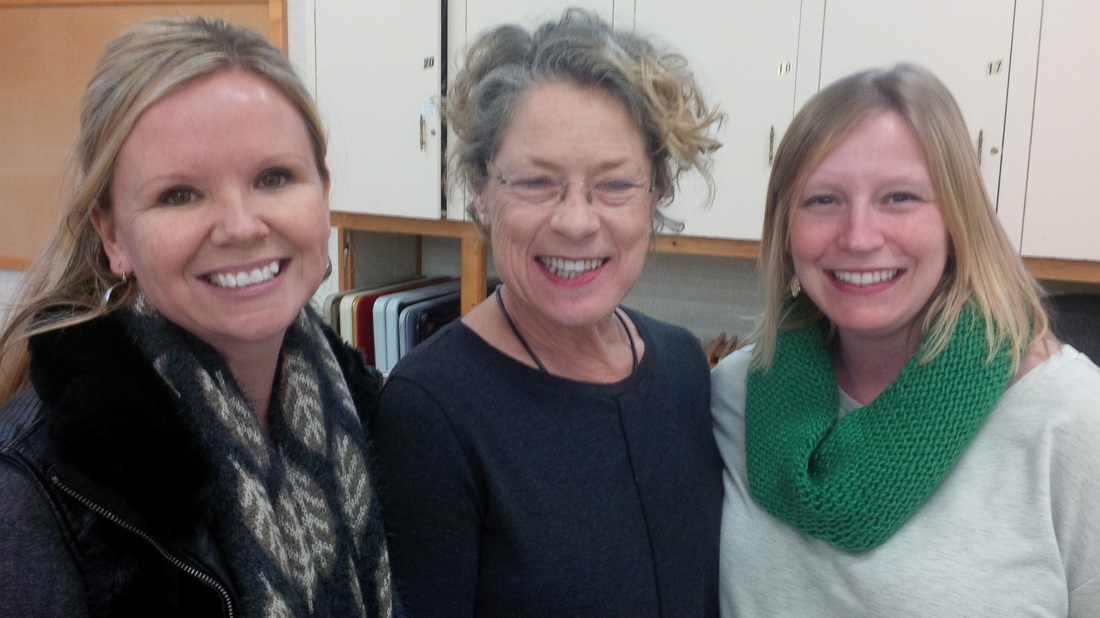 I recently attended a workshop with a colleague from Little Bears on storytelling. Jane Cobb was the presenter, and story teller. This full day Saturday workshop was for Early Childhood Educators to become more comfortable with sharing stories, learning rhymes and teaching songs.
Meredith and I had the same hopes for this workshop. We both felt that we were in need of some new and exciting songs to add to our mundane arsenal of (tricks) we use at our circle times. Hopefully, Jane could teach us some finger plays, transition songs and easy-peasy sing-a-longs for our upcoming long winter days ahead. Well, I soon found out two very interesting facts about myself that I did not know. Firstly, I am a terrible story teller (or, let's re-phrase... story learner)... my short-term memory is unbelievably bad. And secondly, I learned a lot of sing-along songs as a child in Girl Guides which are re-surfacing again... and apparently, I do know a lot of songs, rhymes and finger-plays..I've just forgotten them over time! This is how our workshop began.... Jane started off by telling us a story about the Gunniwolf, (Here's a condensed version)....."Once there was a little girl who lived with her mother at the edge of the deep, dark forest. The mother always told the little girl, "Whatever you do, don't go into that forest alone. Because if you do the Gunniwolf might get you!" The little girl promised that she would never go into that forest alone!.... The story goes on and of course the little girl ventures into the forest to pick flowers and eventually encounters the Gunniwolf! She sings a little song, "Kum-kwa...Ki-wa....Kum-Kwa....Ki...wa....Kum-Kwa, Ki-wa,... Kum Kwa-Ki-wa." and it puts the Gunniwolf to sleep. She runs away as fast as he can (slapping your hands on your knees to the rhythm of the pit-pats)... Pitty-pat, pitty-pat, pitty-pat, pitty-pat! but up gets the Gunni-wolf and he chases after her! And when the Gunni-wolf runs he makes a sound like this, "HUNKER_CHA....HUNKER_CHA.....HUNKER-CHA....HUNKER-CHA!" ... and...He catches her again... So she sings him her , "Guten-Sweeten song" and he falls a sleep, and she runs away again. This happens a few times over, and finally, the last time the Gunni-wolf falls asleep, she runs as fast as she can home and slams the door. And the little girl never, ever goes back into that deep dark forest alone again! The end!... cute story! We broke off into smaller groups and were asked to re-tell the stories over again, remembering to use the same key phrases, sing the little song, pat our knees when the little girl ran, make the scary sound of the Gunni-wolf chasing the little girl, and finish with the lesson-learned ending..... easy enough, right? Hmmmmm........ There are some people in this world I suppose who could hear a story once, and be able to repeat it again right away. I am not one of those people...in fact, I am not even close to being one of those people! I need a piece of paper with the story in front of me... and I need the important parts that I cannot forget highlighted.... and THEN I need time to rehearse... like days...or even weeks! There were people in my group who could re-tell this story almost verbatim right away.. this was amazing to me. These people, are story-tellers! I believed. Jane Cobb has written; to my knowledge, two books on rhymes, and storytelling, "I'm a Little Teapot!" and "What'll I do with the Baby-o?" she truly has a talent for captivating large groups of people, including adults for a 7 hour workshop.I wish I was more like Jane. I found her workshop challenging, (the remembering part, but super fun and inspiring!) When I got home, I was so excited to see my little ones and hear about their day. It was (Soccer-Saturday) so I had missed three games... and they had much to tell me! Half way through dinner, my little Eva asked me what I learned today at my class. (she doesn't skip a beat, my little mini-me)... I told her that I learned how to tell stories! ........WOOPS! That came out wrong... because as soon as those words slipped out, I couldn't suck them back and you know she got so excited and asked me to tell her a story! I didn't have my sheets! I didn't have the chance to highlight it yet, or practise it, or rehearse it for days! "Come on mom... tell us!" all three prodded together. Oh My Gosh, I thought, okay, I can do this! Think, think! Remember the key components, "The beginning, the mother leaves to town, the little girl sees flowers near the edge of the forest, she picks the flowers, the song she sings, the Gunni-wolf catches her, she sings him to sleep, she starts running , he chases her and the sound he makes,do it three times over until finally the little girl get's home safely) "Okay," I said quietly....".But it's a scary story, and you might not like it, because you have to sing a song when the little girl picks the flowers, and you have to make this deep, grunting sound when the Gunni-wolf chases the little girl!" I warned.... "Gunni-wolf" Jaysun asked excitedly..."What's a Gunni-wolf?" "Tell us!"... they giggled out loud.... so, I told them the story.... I started out, "Once there was a little girl who lived with her mother at the edge of a deep dark forest. The mother always told the little girl, "Whatever you do, don't go into that forest alone. Because if you do the Gunni-wolf might get you!" The little girl always promised that she would never go into the forest alone....... and you know what... I didn't remember ALL of the things I should have in the right order, and I forgot to pitty-pat my knees until the second time the Gunni-wolf chased the little girl, and I'm pretty sure the tune for the little girls song was totally off, but they didn't know that! Somehow, I remembered it... there is definitely something to be said for repetition and practise! Not only did I remember that story, but two others, and many many songs that I had forgotten the tunes of from back when I was in Girl Guides! I completely shocked myself..a well deserved imaginary pat on back for moi! "Well, if you liked the story about the Gunni-wolf, then you'll love the story about the frogs!" "FROGS?".... my children chimed in again. "When I was a little girl, my grandpa, Parley Garfield, told me he could talk to the frogs. And I believed him!.... and that's how story-telling begins, Jane Cobb would be proud, I'm sure. Secretly, I am really trying to become a story-teller... I practise when I can, but mostly I read from my highlighted sheets so I don't mess up the important parts. I am intrigued with this new found-love of story telling, and I hope that this might somehow spark the interest of other educators or parents out there....it truly is a gift to carry on forgotten stories to our own children, in hopes it peeks their interest a little, or in the very least, keeps their brains fresh with imagination... and if I intrigued you with my stories and you want to know more about Parley Garfield and the Frogs, you'll just have to come visit me during circle time to hear the rest... or ask Eva... she's got it down pat now!..."Knee-deep! Knee-deep!" Thanks for reading! Lexie "After nourishment, shelter and companionship; stories are the thing we need most in the world.!" ~ Philip Pullman 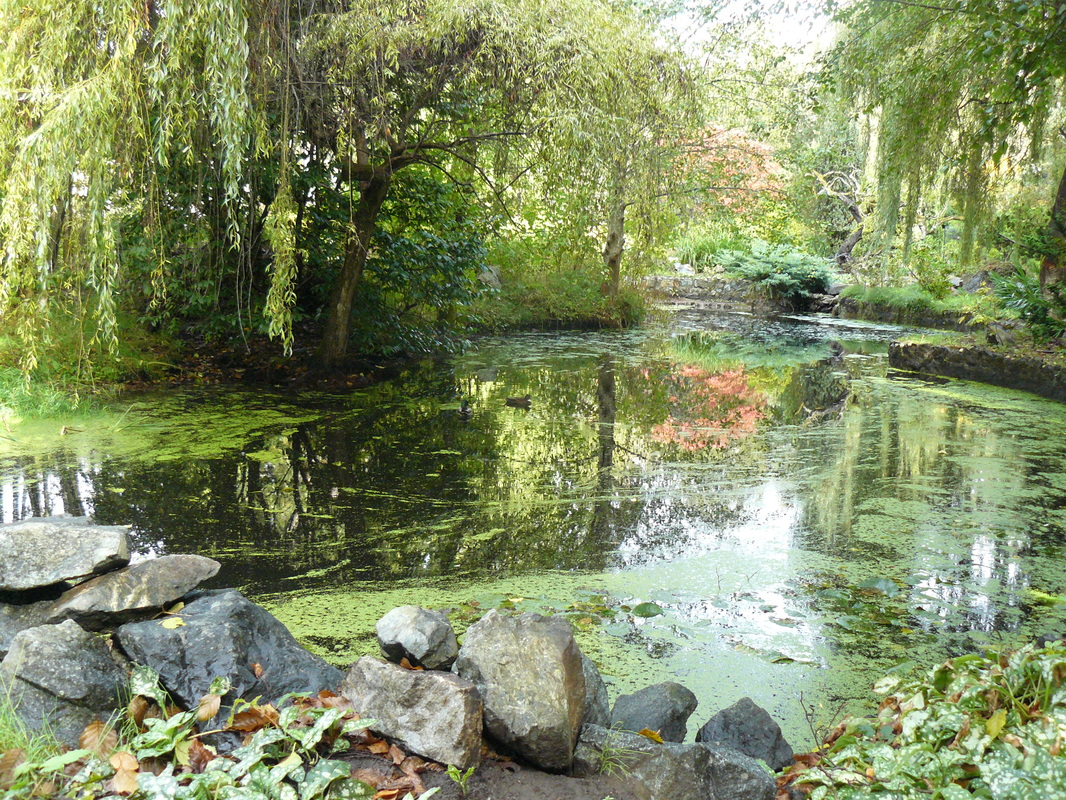 This is my backyard.. well almost. If you walk out my back gate, in about a minutes walk this is what you will be looking at... amazing! It's breathtaking, in every season. We visit here (almost) daily, we walk around the groomed pathway, careful not to get too close to the edge... the edge....the water...the fall into the water... (insert mommy-panic face)...I think about this pond a lot. I have had many dreams about this pond... and water... and falling. When you are responsible for other peoples children there is no room for error. I can proudly say that no child has ever fallen into this pond... ever. My own children who are now 10 and 8 however have fallen into this pond.. many times.(okay, not fallen really, slipped is a better description) They quickly discovered (as did I) that it is very shallow along the edges and very, very mucky! This helps me be a little calmer when we go on our nature walks, but the fear of what-if never really goes away completely. I still hold the hands of my new little two's in September as they learn to navigate their way around the winding pathway surrounding this pond. I still occasionally raise my voice, and ask the children to "use walking feet", and stay together as a group. Water makes me extra nervous...(I'm not sure I will ever feel any differently when I am responsible for 8 children's safety) but once we are around the pond, I feel myself calm again, and more open to enjoy my surroundings. Children are natural risk takers! They are courageous and amazing climbers. They show little fear around bodies of water, slippery rocks or grassy fields taller than they are. As an educator, I try to encourage risk... "What might happen if you..." maybe I might even give them an encouraging "verbal push".... even the non-walking toddlers in my Infant Program at Little Bears scramble themselves up tricky paths falling over every two or three feet but never giving up. (Yes, we take our non-walkers on walks in the forest!) What I have begun to realize, is truly how capable children are! Especially in nature. There has always been wet slippery branches covered in moss to climb, slimy wet cobblestones to trip us up, and muddy lagoons threatening to swallow us whole. Just being outside is a risk, but obviously, one I'm willing to work through since bubble wrapping our children is not an option. Every day risks make us stronger, smarter, healthier and more aware of our own bodies. I found this quote which I feel relates well to this post. "It's impossible." said pride. "It's risky. said experience. "It's pointless." said reason. "Give it a try!"..... whispered the heart. ~Unknown As always, thanks for reading! ~Lexie
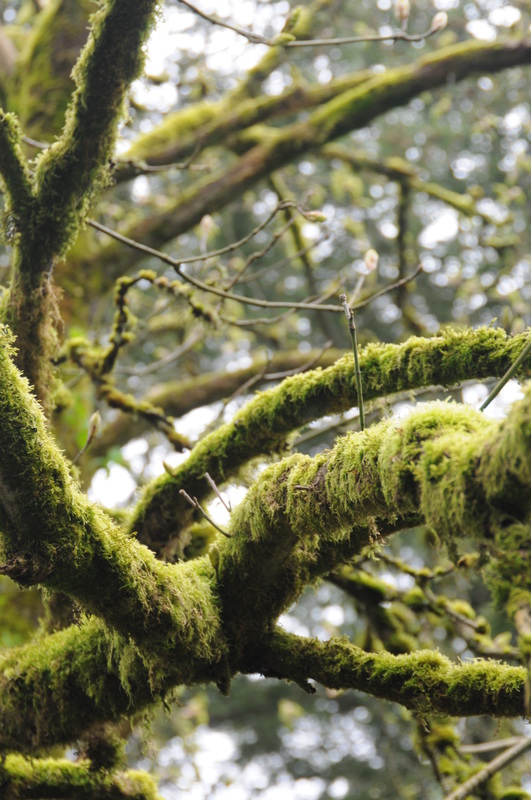 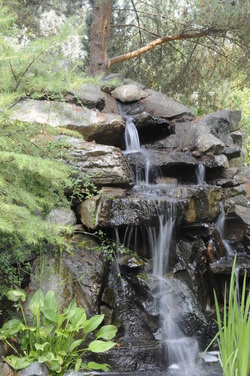 A beautiful water fall along our path way. The children are not able to climb this water fall however they like to "fish" in the water pond below it. Climbing this structure would be a potential (high risk) as it is more than 12 feet high at the very top.
Thinking like a mushroom.....and our relationships with human/non-human species in nature11/15/2015
 |

 RSS Feed